


Antique Kurdish Saujbulagh Runner — Copper & Indigo Geometry | 3'7" × 10'
- Description
- SPECS
Savojbolagh runners bring together elements of city, village, and tribal rug traditions.
These rugs are generally decorated with angular geometric motifs, and strong colours with high contrast are among their defining characteristics.
Kurdish rugs are typically made with local raw materials that have been processed by hand. These materials are dyed in the traditional way, using colours derived from vegetable and natural dyes. Over time, this gives the rugs a distinctive visual character and a depth that becomes even more beautiful with age.
The motifs and symbols found in Kurdish rugs, as in many other Iranian handwoven pieces, carry deep cultural meanings. Their roots can be traced through the long history of ethnic and national traditions.
These weavings are produced on both vertical and horizontal looms, using traditional methods, and are often woven by hand without the use of a hook.
The knot used in Kurdish rugs is generally symmetrical, and the wefting is done according to traditional local and regional methods.
-
Age: Circa 1900s-1910s
-
Origin: Kurds of Savujbulagh (Mahabad), Persia
-
Material: Hand-knotted wool pile on a wool foundation
-
Dimensions: 3' 7" x 10' (110 x 305 cm)
-
Condition: Edges are unraveled; these could be repaired at no extra cost or left as is.
Origin:
Locality:
Nominal Size (ft):
Age Category:
- Antique
Color, Design and Pattern:
Pile Material:
- Wool
Foundation Material:
- Wool
Suitable Spaces:
Please Consider
Our rugs are truly unique and crafted with care. Their vintage and handmade nature means they may have imperfections and signs of wear, which add character. Each rug is handmade, so it may not be a perfect rectangle.
We strive to capture the rugs’ true colors in daylight photography, but they might appear slightly different in low-light environments or on different screen settings.
We’re happy to provide photos taken in different lighting or answer any questions.
Feel free to reach out if you need more information or assistance.
Sustainability
For every rug you purchase, we plant one tree.
Choosing vintage and antique rugs reduces waste, lowers the demand for new materials, and extends product lifespan—reducing your carbon footprint. Our rugs are crafted from natural and recyclable materials, promoting sustainability and environmental friendliness.
Shipping & Returns
Canada and USA
We offer free domestic shipping in both countries. Your order will ship locally, so you will not have to pay any import duties or taxes.
Worldwide
Affordable and fast shipping is available for all international destinations, including locations in Africa, Europe, Asia, the Americas, and Oceania (including Australia). Please contact us for a quote, and we will provide the exact shipping cost based on your item.
All orders are processed within 1 to 5 business days (excluding weekends and holidays) after receiving your order confirmation email. You will receive another notification once your order has shipped.
Refund policy
We accept returns up to 7 days after delivery if the item is unused and in its original condition, and we will refund the full order amount of item(s), but our valued customer is responsible to pay the shipping cost.
If you have any further questions, please don't hesitate to contact us at hello@rugtherock.com.
Care Instructions
Vacuuming
Regular vacuuming keeps your rug looking its best and extends its lifespan, reducing the need for professional cleaning. For best results, vacuum both the front and back sides of the rug from side to side, avoiding the fringes.
Spills
If spills occur, blot them immediately with a cloth. Then spray water on the spot and blot again, repeating as needed. For pet urine, spray white vinegar to help break down the enzymes that cause odor.
Professional Rug Cleaning
It’s generally recommended to have your rug professionally cleaned every five years, but trust your instincts—if it appears to need cleaning, don’t hesitate to have it washed. Hand-knotted carpets should never be dry cleaned or steam cleaned. Wall-to-wall carpet cleaning companies are usually not a good option. Always choose a professional rug cleaner who specializes in cleaning fine, handwoven carpets. If you’re in the GTA, we can provide professional rug cleaning for you!
Rug Pads
Using a rug pad with your vintage rug may extend its life and provide extra traction and protection for your floors. To learn more about the pros and cons of rug pads, read this article.
Have questions?

Sustainable Investment
Durable and natural, built to last for years.

Crafted with Care
Lovingly handmade from start to finish.

Pet-Friendly and Cozy
Soft, comfy, and your pets will adore it!

Timeless Tradition
Woven using ancient techniques passed down through generations.
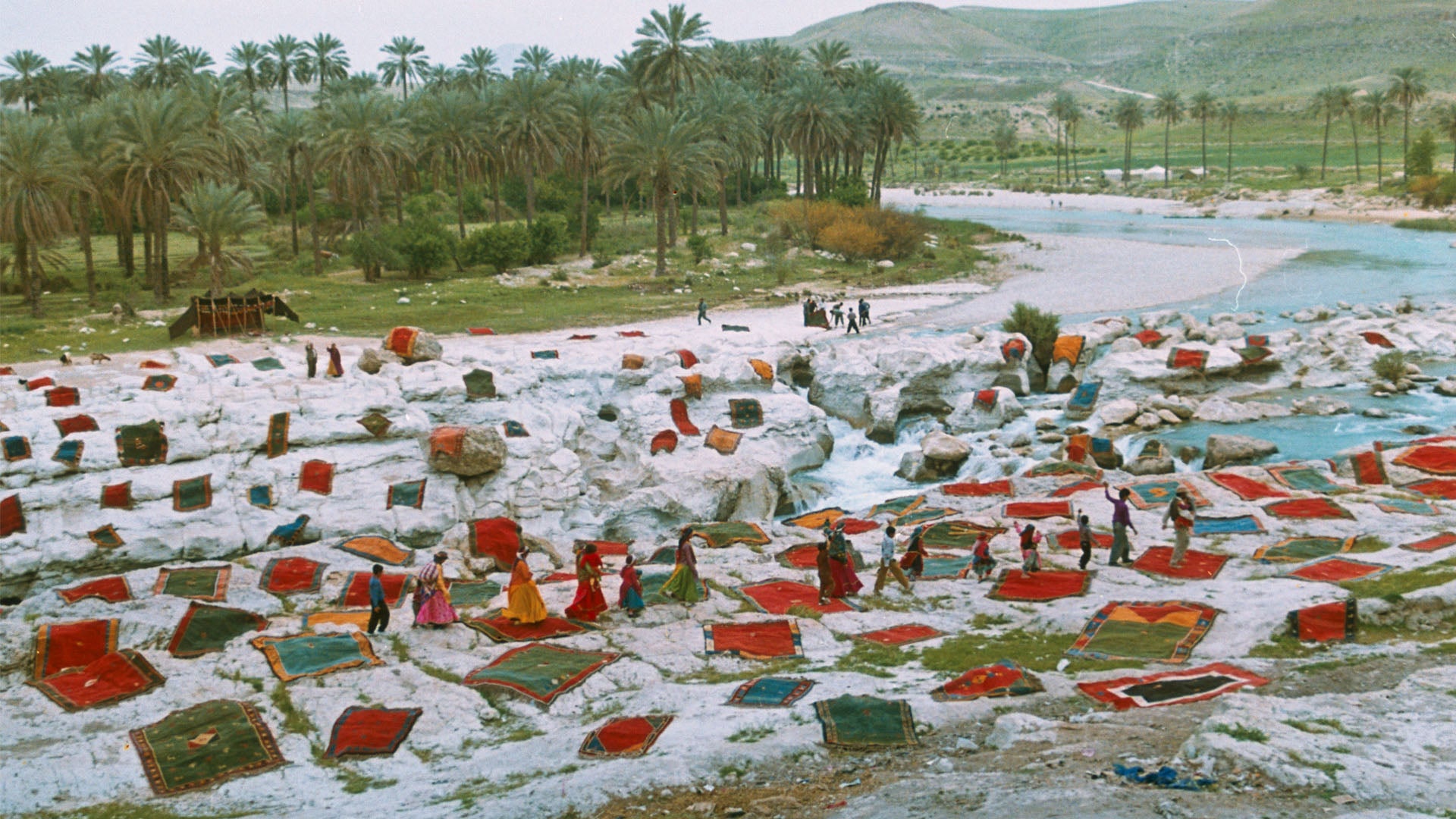
The Meticulous Artistry of Hand-Knotted Rugs
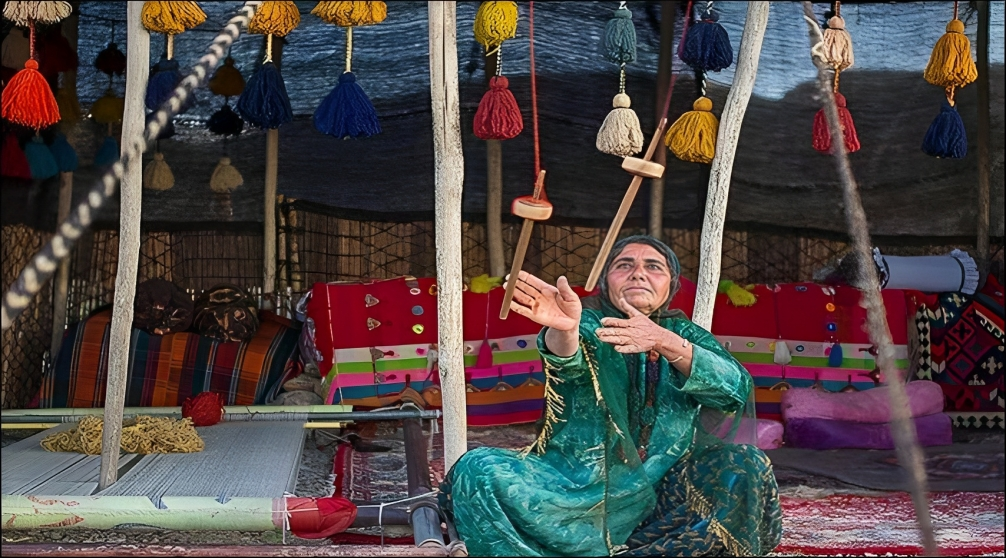
Our Journey for Authentic Rugs
Discovering Hidden Gems
As a couple with Persian roots, we are dedicated to sourcing rare and authentic rugs from villages, cities, and nomadic communities.
While the process of finding these treasures can be challenging, the end result is truly rewarding.
We are passionate about preserving these works of art and bringing their stories into your home.