

No. “Spin” is not a type of rug. Spinning is the process that turns prepared fibres into yarn by drawing them out and adding twist. A rug can contain hand-spun or machine-spun yarn, while its construction may be hand-knotted, flatwoven, hand-tufted or machine-made. Those are separate facts.
This distinction matters because labels such as “hand-spun wool” are often treated as complete quality grades. They are not. Spinning method can influence yarn regularity and the character of a rug's surface, but it does not by itself prove age, dye type, durability or value. This guide explains what the term means, what you may be able to see and what still needs documentation.
Three Questions That Should Not Be Confused
Start by separating material, yarn and construction. A seller may describe all three in one sentence, but each answers a different question.
| Question | Examples | What it tells you |
|---|---|---|
| What is the fibre? | Wool, cotton, silk or a blend | The raw material used in the pile, foundation or both |
| How was the yarn made? | Hand-spun or machine-spun | How prepared fibres were drawn and twisted into yarn |
| How was the rug constructed? | Hand-knotted, flatwoven, hand-tufted or machine-made | How yarns were assembled into the finished textile |
A hand-knotted rug can use machine-spun wool. A flatwoven kilim can use hand-spun yarn. A machine-made rug can use wool. The word “wool” does not tell you how a rug was made, and the word “handmade” does not establish how its yarn was spun. Our rug construction guide explains knots and foundations separately.
What Does Spinning Do?
Wool does not come from a fleece as ready-to-weave yarn. It is sorted and cleaned, then prepared so the fibres can be drawn into a continuous strand. In a woollen route, carding opens and mixes the fibres. In a worsted route, additional gilling and combing align longer fibres and remove shorter material before spinning.
The central act of spinning is controlled drafting plus twist. Drafting makes the strand finer. Twist binds fibres together so the strand has enough cohesion for later work. Two or more single yarns may then be twisted together to create a plied yarn. The amount and direction of twist, yarn count, fibre selection and preparation all affect the result.
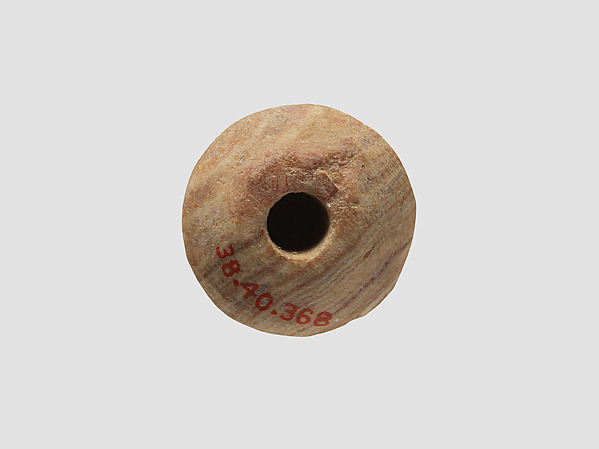
Spinning is ancient, but “hand-spun” does not mean that every earlier step was identical from one workshop or region to another. Wool may be selected, cleaned, carded, blended, dyed and finished in different ways. A useful description identifies what is actually known instead of turning one process word into a romantic story.
How Hand-Spun Wool Is Made
In hand spinning, a person controls the supply of prepared fibre and the twist using a spindle or spinning wheel. Small changes in drafting and twist can create variation along the yarn. The finished strand may contain thicker and thinner places, but the amount of variation depends on the spinner, fibre preparation, intended use and degree of plying.
Skilled hand spinning can be remarkably controlled. Visible irregularity is therefore possible, not mandatory. It is also not automatically a defect. For some rugs, controlled variation contributes to a lively surface. In another context, weak, poorly prepared or unsuitable yarn may reduce performance. “Hand-spun” describes a process, not a promise that every technical decision was successful.

How Machine-Spun Wool Is Made
Machine spinning controls drafting and twist through industrial equipment. Woolmark describes several machine systems, including ring and mule spinning. Mills also measure characteristics such as yarn count, twist level, strength, elongation, friction, irregularity and faults. Blending and fibre preparation can be used to produce greater consistency along a batch.
Consistency is not the same as inferiority. A well-specified machine-spun yarn may be strong, appropriate and carefully matched to its intended rug. It can also be used by a person tying knots at a loom. Conversely, uneven hand-spun yarn should not be presumed old, naturally dyed or better made.
The comparison is therefore not “human quality” versus “factory quality.” It is a comparison of production methods whose results depend on fibre selection, preparation, yarn design and the textile in which the yarn is used.
Does Hand-Spun Wool Retain Lanolin?
Do not use “hand-spun” as a shortcut for lanolin content or stain resistance. Raw fleece contains wool grease, commonly called lanolin, but wool is normally scoured before later processing. The International Wool Textile Organisation and Woolmark both describe scouring as the stage that removes grease or wool wax along with dirt and other contaminants.
How much residual grease remains depends on processing, not simply whether the final drafting and twisting were done by hand. A seller would need specific production information or testing to make a reliable claim about a particular yarn. The previous version of this guide overstated this point, so it has been removed from the buying advice.
Does Hand-Spun Yarn Cause Abrash?
Hand-spun yarn can contribute to subtle surface variation, but it is only one possible factor. Abrash means a visible change of colour within a rug. It can reflect different dye lots, wool batches, yarn preparation, weaving sequence, later fading, repair or more than one factor together.
Thicker and thinner yarn sections can interact with colour and pile differently, yet a colour band does not prove hand spinning. Machine-spun yarn can be used with multiple dye batches, and contemporary production can deliberately create tonal variation. Evaluate abrash as evidence that needs context, not as a certificate of age or authenticity.

What Actually Affects Rug Durability?
No single label predicts how long a rug will perform. Consider the rug as a system:
- Fibre: species, fineness, staple length, soundness and preparation can affect how a yarn behaves.
- Yarn: count, twist, plying, strength, consistency and suitability for the intended structure matter.
- Construction: knotting or weaving method, pile height, density, foundation and edge finish work together.
- Finishing: washing, clipping and other treatments can change handle and appearance.
- Condition: wear, repairs, weak areas, colour run and foundation damage may outweigh an attractive material label.
- Use and care: placement, soil, moisture, sunlight, furniture and cleaning methods affect future wear.
A thick pile is not automatically more durable than a low pile, and a high knot count does not override weak material or poor condition. Compare the exact rug rather than buying from one adjective.
What Can Photos Tell You?
Good photographs can help you inspect the complete shape, surface, edges, pile direction, foundation, repairs and visible colour changes. They usually cannot prove fibre species, residual grease, exact twist, dye chemistry or whether yarn was spun by hand.
Use a sequence. Start with a complete front view. Then examine close views of the pile and pattern. Ask for the back, fringe and side finish when construction or condition is unclear. Close views should supplement, not replace, a complete view.

Questions to Ask Before Buying
- Where is wool used, in the pile, foundation or both?
- Is the statement “hand-spun” documented by the maker, workshop or seller, or inferred from appearance?
- Is the rug hand-knotted, flatwoven, hand-tufted or machine-made?
- Are the dyes documented, or is “natural dye” only an assumption?
- What do the complete front, back, edges and close photographs reveal about condition?
- Are there repairs, low pile, exposed foundation, colour run or structural distortion?
- What care is appropriate for this rug's materials, dyes and condition?
Browse the Wool Rugs collection by exact construction, origin, dimensions and condition. For a broader regional framework, use our guide to types of Persian rugs. The separate Gabbeh guide explains one tradition represented in the collection.
Care Boundaries for Wool Rugs
Do not translate an assumed lanolin story into a cleaning method. Blot spills promptly with clean absorbent material, avoid rubbing, and follow advice appropriate to the individual rug. Aggressive suction, rotating brushes, household spot chemicals and excess moisture can create risks for some handmade or older textiles.
The Canadian Conservation Institute recommends conservative handling and professional advice for important carpets and rugs. If a rug has unstable dyes, significant age, repairs or a valuable provenance, consult a qualified rug-cleaning or textile-conservation professional. Our hand-woven rug care guide provides a practical starting checklist.
Frequently Asked Questions
Is spin a type of rug?
No. Spinning turns fibres into yarn. Rug types are more appropriately described by construction, origin, format, design tradition or material.
Is every hand-knotted rug made with hand-spun wool?
No. A hand-knotted rug may use hand-spun or machine-spun yarn. Knotting describes how the rug is constructed, not how its yarn was produced.
Is hand-spun wool always better?
No. It may offer visual and tactile variation that suits a particular rug, but quality depends on the fibre, yarn, construction, finishing, condition and intended use.
Can I identify hand-spun wool from a photo?
A photo may show irregularity consistent with hand-spun yarn, but it rarely proves the method. Documentation and inspection are stronger than one visual clue.
Does hand-spun wool make a rug stain-resistant?
Not by itself. Do not infer residual lanolin or stain performance from the spinning method. Care requirements should come from the individual rug's materials, dyes, construction and condition.
Sources and Further Reading
- The Woolmark Company, Wool Processing, for scouring, carding, woollen and worsted preparation, drafting and twist.
- The Woolmark Company, Woollen Spinning, for machine-spinning systems and yarn-quality parameters.
- International Wool Textile Organisation, First Stage Processing, for scouring, carding and combing.
- The Metropolitan Museum of Art, Spindle Whorl from Iran, for the historical object record and explanation of its use.
- Canadian Conservation Institute, Basic Care of Carpets and Rugs, for conservative care boundaries.





Leave a comment